

Replacing carpet in Denver costs $3-$8/sq ft, averaging around $5, varying by carpet type, installation complexity, and eco-friendliness. Key factors include door thresholds ($10-$30/sq ft), specialized installation techniques, professional cleaning rates, and labor costs ($1-$4/sq ft). DIY installations can save on commercial projects, while professional services are more cost-effective for larger residential spaces. Strategic planning like timing replacements during off-peak seasons and comparing quotes from multiple contractors can further manage costs effectively in Carpet Denver.
In the vibrant landscape of Carpet Denver, where interior design and comfort intertwine, the choice to replace carpeting is not just aesthetic but practical. Understanding the average price to replace carpet in Denver is a crucial step for homeowners and property managers navigating this bustling market. This article serves as your comprehensive guide, offering insights into the factors influencing cost, tips for budgeting, and expert advice on ensuring value for money. By the end, you’ll be equipped with the knowledge needed to make informed decisions regarding one of Denver’s defining features: its carpet.
- Understanding Carpet Replacement Costs in Denver
- Factors Influencing Prices: A Detailed Analysis
- Local Market Trends for Carpet Installation
- Material and Labor Costs Breakdown
- DIY vs Professional Installation: Price Comparison
- Tips to Reduce Expenses for Carpet Replacement in Denver
Understanding Carpet Replacement Costs in Denver

Replacing carpet in Denver can vary greatly in cost depending on several factors. According to recent market data, the average price for carpet replacement in the city ranges from $150 to $400 per room, with higher-end options reaching up to $600 or more for larger spaces or specialized installations. This wide range reflects Denver’s competitive market and the diverse needs of homeowners.
One primary cost driver is the type of carpet chosen. Low-pile carpets are generally less expensive than high-pile options, which offer a softer feel but come at a higher price point. Additionally, intricate designs or custom patterns can significantly increase costs. For instance, a unique woven carpet might be more costly than a standard rolled carpet. Door threshold carpet inserts, essential for maintaining a seamless look around doorways, also contribute to the overall expense, typically adding $10 to $30 per square foot.
Another factor influencing prices in Denver is the need for specialized installation techniques. If your existing carpet is installed over tile or another difficult surface, you can expect higher labor costs for proper removal and reinstallation. Professional carpet cleaners for hire in Denver can command premium rates, especially for thorough cleaning services that prepare the subfloor for new carpeting. Conversely, do-it-yourself installations over tile or concrete can save substantially on labor but require substantial time and effort. For eco-conscious homeowners, green carpet options—made from recycled materials or natural fibers—may be more expensive but contribute to a healthier indoor environment and are worth considering.
When planning your Denver carpet replacement project, consider the following actionable advice:
1. Get multiple quotes: Compare offers from different contractors to ensure you’re getting competitive prices for similar work.
2. Inquire about door threshold costs: Be sure to ask about any additional charges for door threshold carpet inserts and factor these into your budget.
3. Explore DIY options: For a smaller budget or if you have the time, consider installing carpet yourself over tile or concrete to save on labor costs.
4. Consider green options: Investigate eco-friendly carpeting that aligns with your values while understanding its potential upfront costs.
Factors Influencing Prices: A Detailed Analysis

The average cost to replace carpet in Denver can vary widely, depending on several factors unique to each project. Understanding these variables is essential when budgeting for a carpet replacement project in the Denver area. One of the primary influences is the type of carpet chosen; luxury options with high-end materials and intricate designs will naturally command a higher price point than standard residential carpets. Moreover, the size and complexity of the space play a significant role; larger areas or those with unusual layouts may incur additional labor costs for precise installation.
Installing carpet on concrete floors necessitates specialized preparation, adding to the overall expense. In Denver, where winters can be harsh, proper subfloor protection against moisture and freezing temperatures is crucial during this process. Top-rated carpet companies in Denver often charge a premium for ensuring these essential pre-installation conditions are met. Regular office carpet maintenance, such as deep cleaning every 1-3 years, also contributes to the overall lifecycle cost of flooring, impacting the average price to replace carpet over time.
Another factor is the level of craftsmanship involved. Skilled installers who take meticulous care during removal and installation will command higher rates but often deliver superior results that last longer. Homeowners in Denver seeking long-lasting, high-quality work may opt for these expert services despite the higher upfront costs. Ultimately, a thorough understanding of these influencing factors empowers Denver residents to make informed decisions when replacing their carpets, ensuring they receive value for their investment.
Local Market Trends for Carpet Installation

In Denver, the average price to replace carpet varies based on several factors, reflecting local market trends. According to recent data, the cost can range from $3 to $8 per square foot, with an average of around $5 per square foot, including materials and labor. These figures are influenced by the quality and type of carpet chosen—for instance, luxury vinyl tiles or hand knotted Persian carpets command higher prices—as well as the complexity of the installation process, which can differ based on the layout and condition of the existing flooring.
When considering when to replace old carpet, it’s crucial to look for signs like significant staining, fraying edges, or a musty smell, indicating potential mold or mildew issues. Schools often require regular carpet cleaning solutions to maintain hygiene standards, employing professional services that can be a benchmark for quality and pricing in the Denver market. For residential properties, proper carpet maintenance tips include vacuuming at least once weekly and using spot treatments for stains. However, deep cleaning every 1-2 years is recommended to preserve the carpet’s life and appearance, with costs varying based on square footage and the level of cleanliness desired.
Local market trends also reflect a growing demand for eco-friendly and sustainable carpet options, driving innovation in materials and production methods. This shift toward greener solutions can impact pricing but offers long-term benefits for both homeowners and the environment. By staying informed about these trends, Denver residents can make informed decisions regarding their carpet replacement and maintenance, ensuring they receive the best value and quality for their investment.
Material and Labor Costs Breakdown

Replacing carpet in Denver involves a deep dive into two primary components: material costs and labor costs. Material expenses can vary significantly depending on the type of carpet chosen—from synthetic blends to natural fibers—with average prices ranging from $15 to $75 per square yard, not including underpad or installation. For instance, high-density nylon carpets, popular for their durability, often fall at the higher end while loop-pile polyester options offer a more budget-friendly alternative.
Labor costs in Denver’s carpet replacement market typically account for a substantial portion of the total expense. Professional installers charge anywhere from $1 to $4 per square foot, with average rates leaning towards the upper end for residential projects. These rates can be higher for commercial settings due to the increased complexity and size of installations. For example, a 1,000-square-foot home might see labor costs ranging from $1,000 to $2,000, while a similar area in a commercial building could easily reach $5,000 or more.
Carpet repair tape Denver area residents frequently turn to is another consideration, adding a modest cost to the overall budget. Area rugs Denver stores often offer sales and promotions that can offset these expenses. Additionally, integrating commercial carpet cleaning services Denver into your maintenance routine can extend carpet lifespans, reducing replacement needs over time. Regular cleaning, coupled with spot treatment using carpet repair tape when necessary, is an effective strategy for maintaining a Carpet Denver area homes or businesses pride in.
DIY vs Professional Installation: Price Comparison
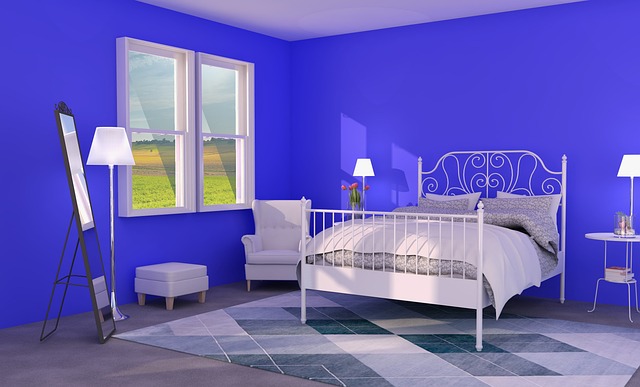
When considering a carpet replacement project in Denver, one of the most significant factors influencing your budget is whether you opt for DIY installation or professional services. The cost difference between these two approaches can vary greatly, depending on various factors. In general, professional carpet installation in Denver tends to be more expensive than attempting a DIY project. This is primarily due to labor costs and the expertise required to ensure a perfect fit and high-quality finish.
For a simple, small-scale job with basic carpet types, DIY methods can save you considerable money. However, for most residential or even modest commercial spaces, professional installation offers better value. The average DIY carpet installation might range from $15-$25 per square yard, while professional services typically start at around $30 and can go up to $60 or more per square yard, depending on the complexity of the job and carpet quality. This price discrepancy is due to factors like measurement and layout preparation, underlayment installation, stretching and securing the carpet, and finishing touches.
Additionally, there are other considerations beyond installation pricing. Repairing carpet burn marks or stains can add to your expenses, with costs varying based on severity. Reupholstery fabric options for edges and corners can also impact the final bill. A comprehensive carpet installation pricing guide from local Denver providers is advisable before making a decision. This guide should include itemized costs for preparation, labor, materials, and any additional services offered. By understanding these price dynamics, you’ll be better equipped to make an informed choice tailored to your budget and project scope.
Tips to Reduce Expenses for Carpet Replacement in Denver

Replacing carpet in Denver can be a significant expense, but there are strategic approaches to navigate this process cost-effectively. Understanding the local market dynamics is crucial; Carpet Denver prices vary based on factors such as material quality, room size, and complexity of removal. One effective strategy is to time your replacement during off-peak seasons, as demand fluctuates, leading to potential discounts from carpet retailers and installers. Moreover, prioritizing a mid-range option over luxury can significantly reduce costs without compromising aesthetics.
For homeowners dealing with stubborn issues like dog urine carpet repair in Denver, consider the long-term benefits of professional commercial carpet cleaning services. While immediate replacement is tempting, deep cleaning may extend the life of your existing carpet, saving you hundreds in the short term. Regular maintenance and early intervention against stains or damage can also prevent costly repairs down the line. Additionally, comparing quotes from multiple contractors offers leverage to negotiate prices; three quotes are typically enough to get a clear understanding of market rates.
Another tip involves bundling services. Many reputable companies in Carpet Denver offer comprehensive packages that include both carpet replacement and professional cleaning. Bundling not only simplifies the process but can also lead to substantial savings. For commercial spaces, leveraging dedicated services for heavy-duty tasks like deep cleaning or restoration can optimize spending. Lastly, stay informed about local promotions and discounts, as they can provide substantial relief on your Carpet Denver replacement project.
The article has meticulously explored the intricate dynamics of carpet replacement costs in Denver, offering a comprehensive guide for homeowners and business owners alike. Key insights reveal that average prices in Carpet Denver range from $1 to $4 per square foot, with factors like material quality, room size, and labor complexity driving variations. Understanding local market trends is vital; hiring professional installers can save time and ensure high-quality workmanship. Breaking down costs into materials and labor underscores the importance of budget allocation. Moreover, DIY installation may reduce expenses but requires skill and time commitment. To optimize costs, readers are advised to compare quotes from multiple contractors, choose durable yet affordable materials, and consider seasonal discounts. This authoritative piece equips Denver residents with the knowledge to make informed decisions regarding their carpet replacement projects.